
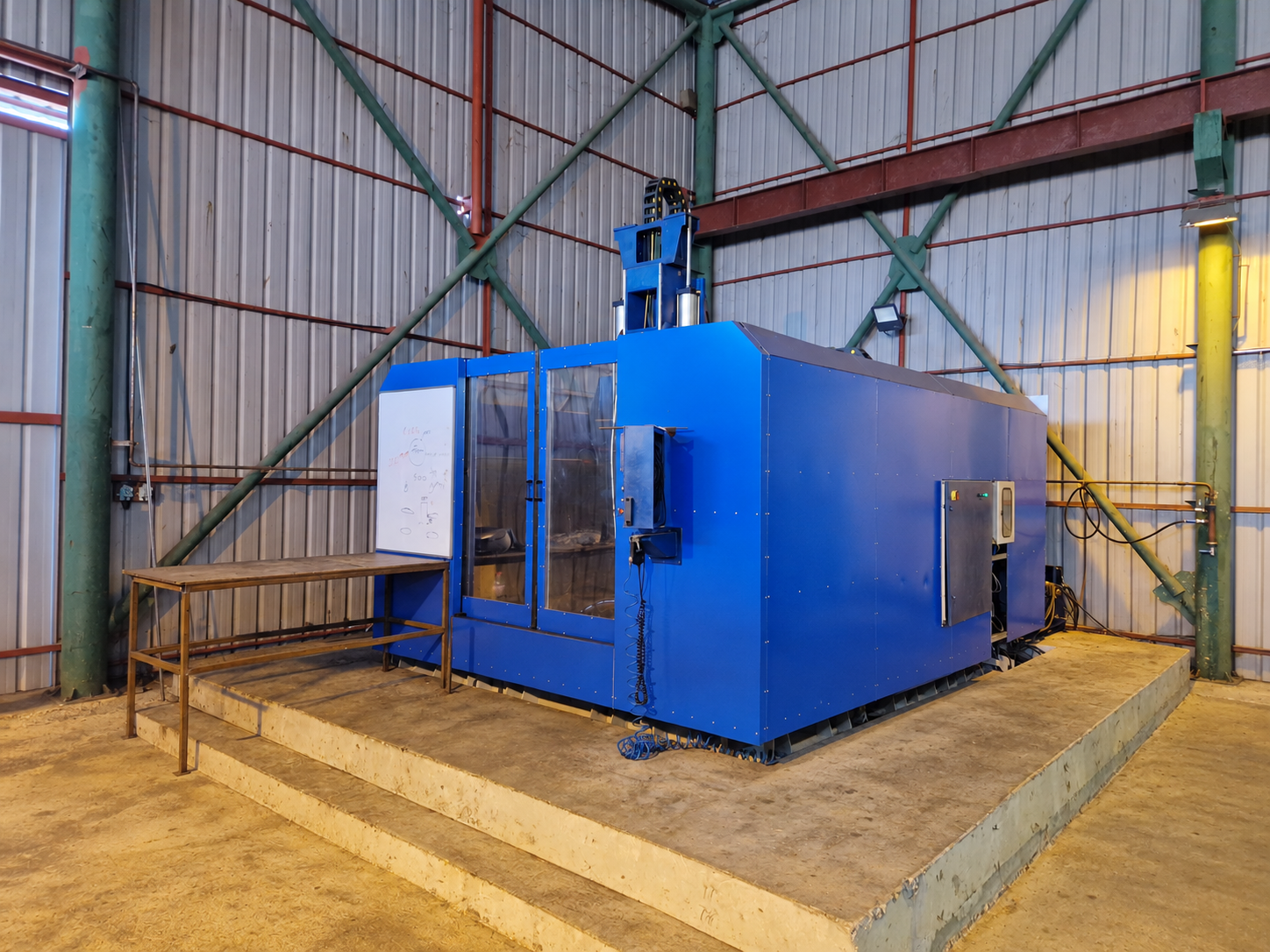
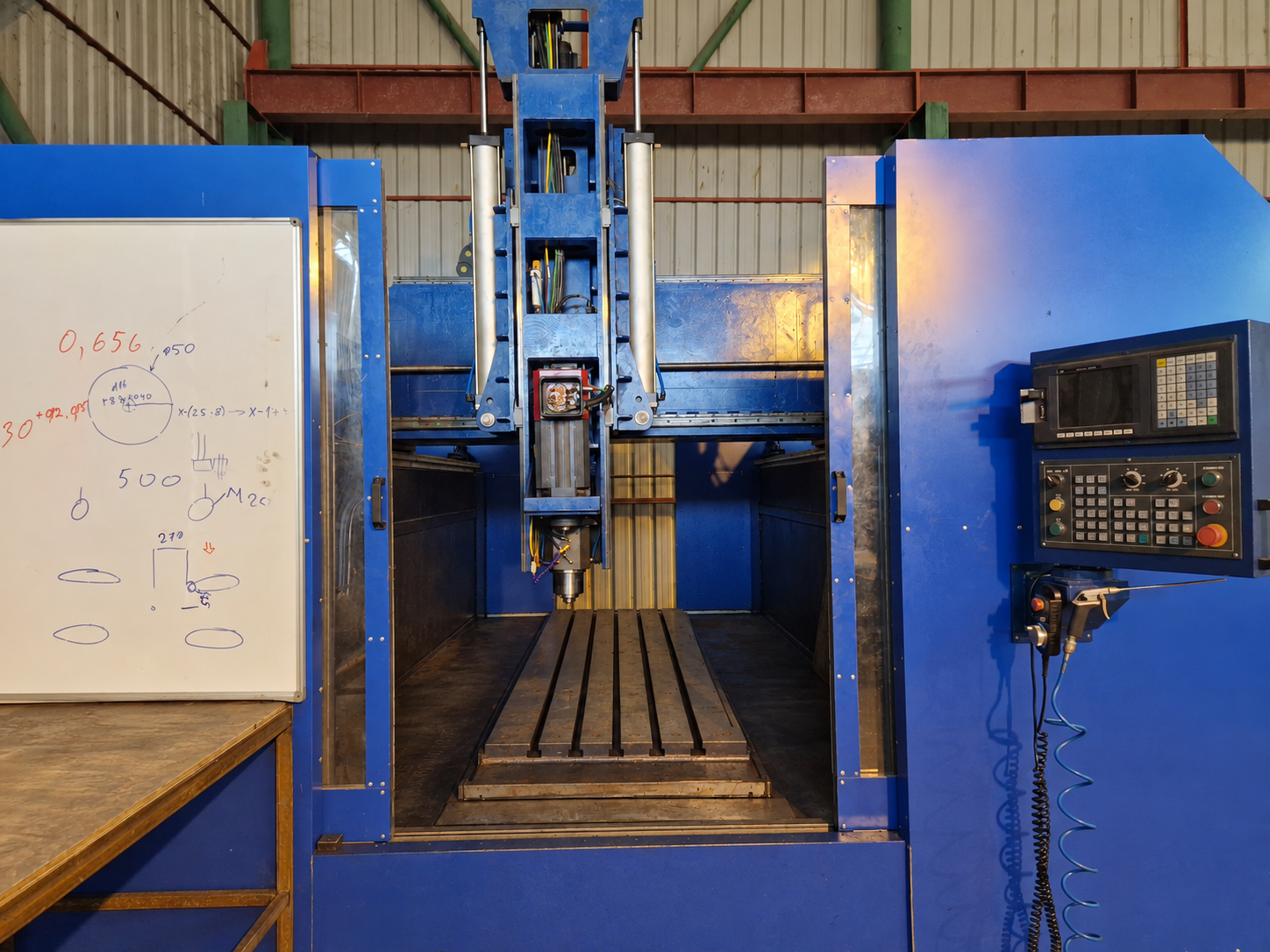
CNC milling machine
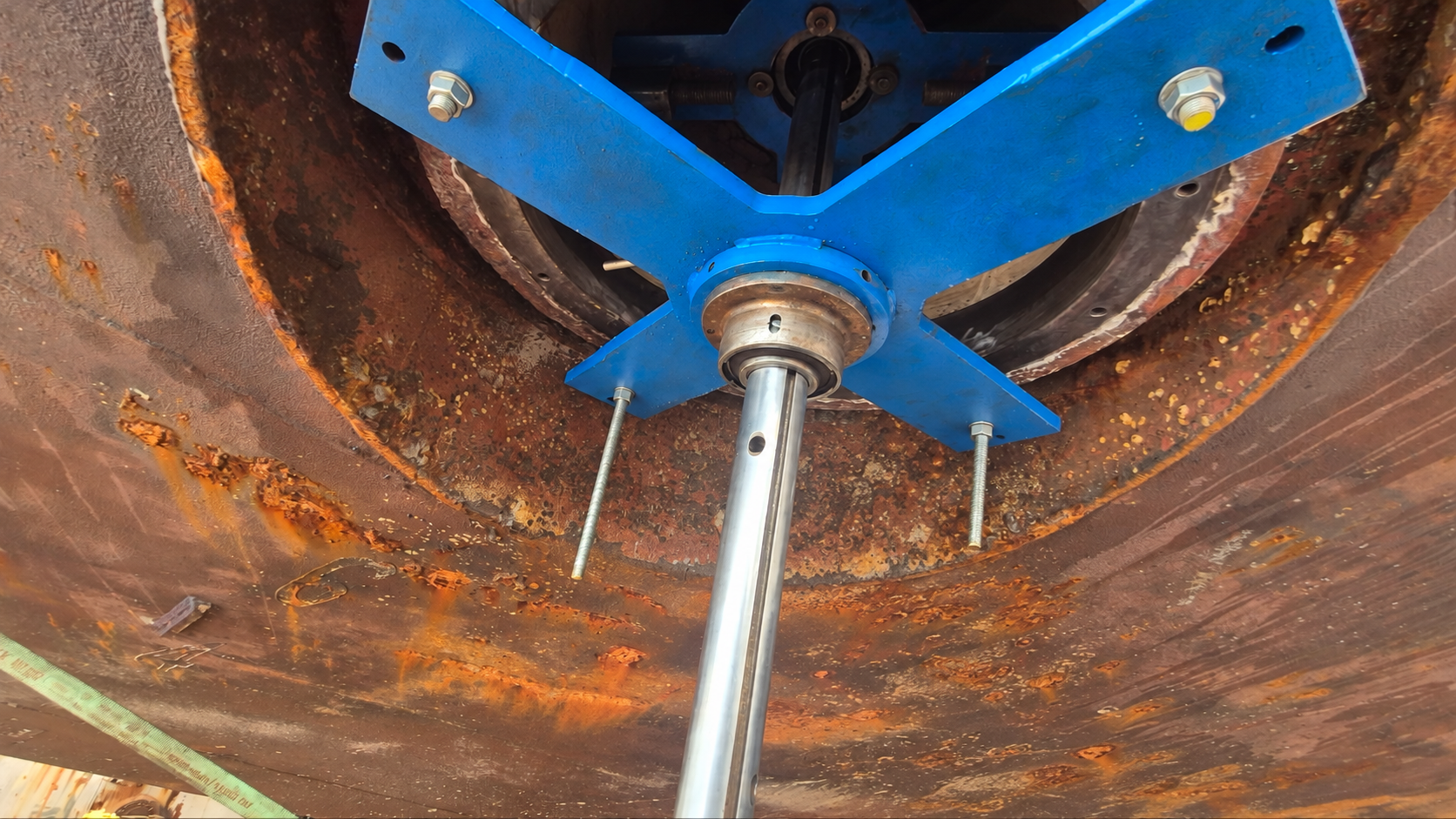
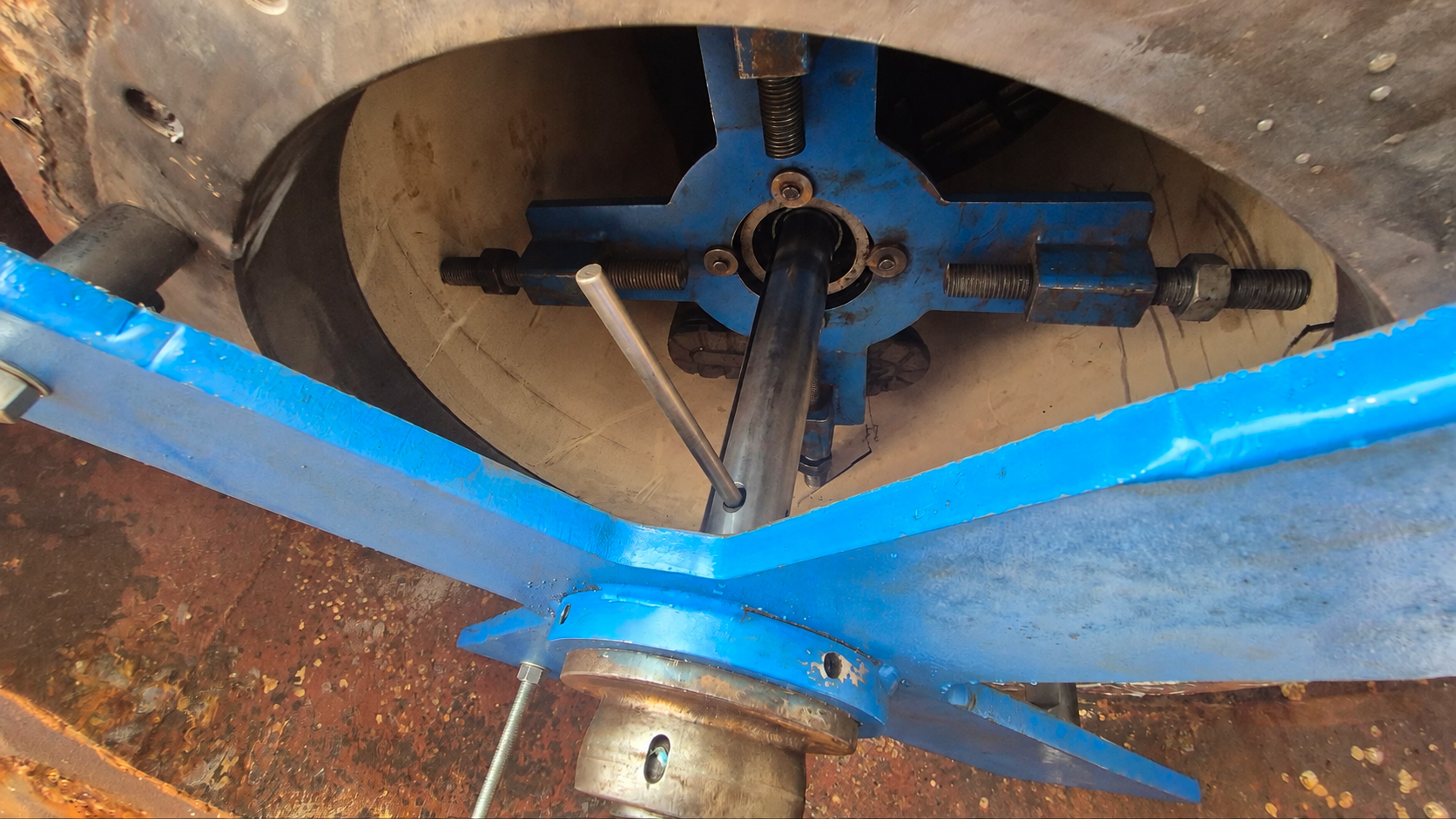
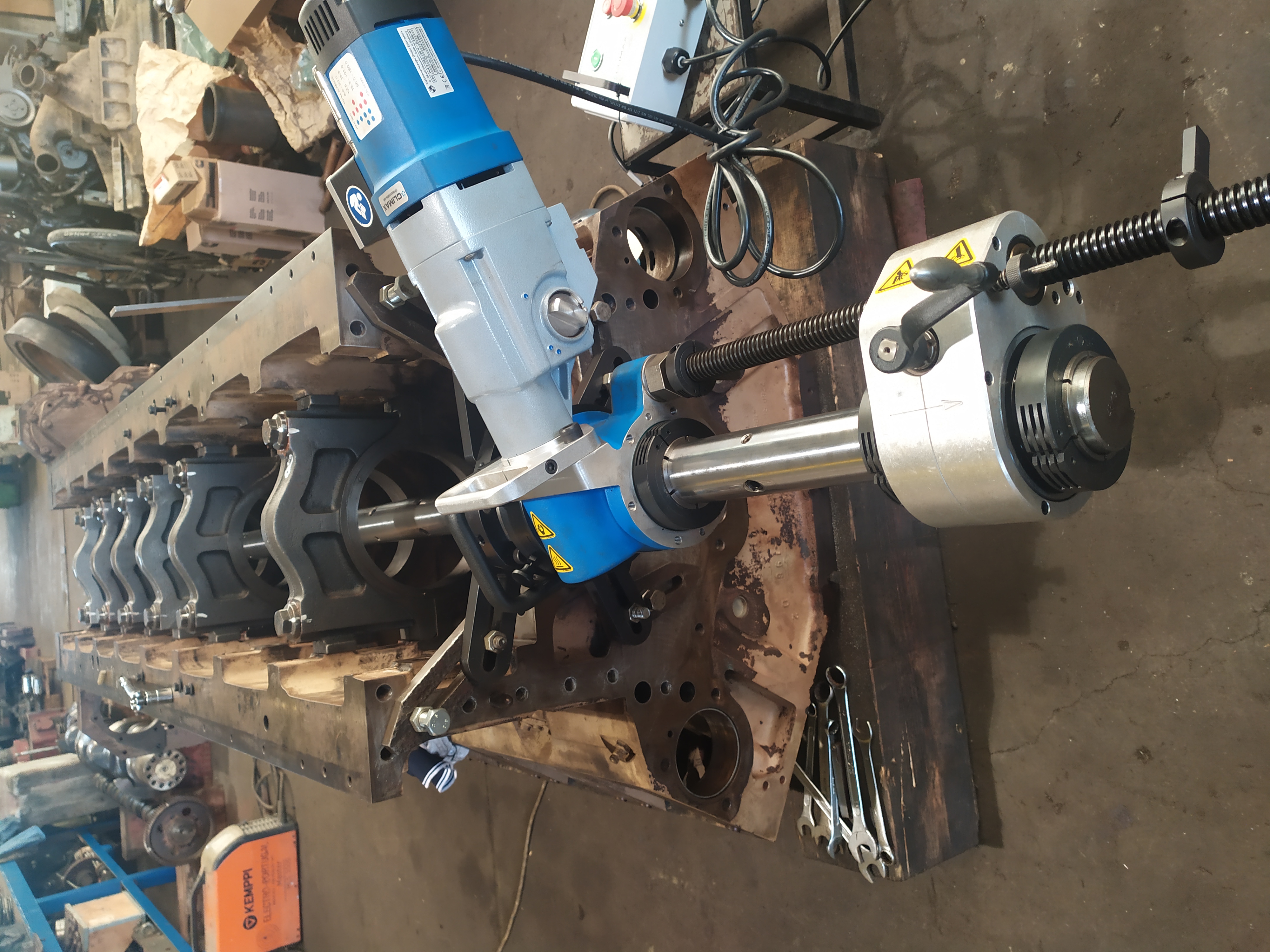
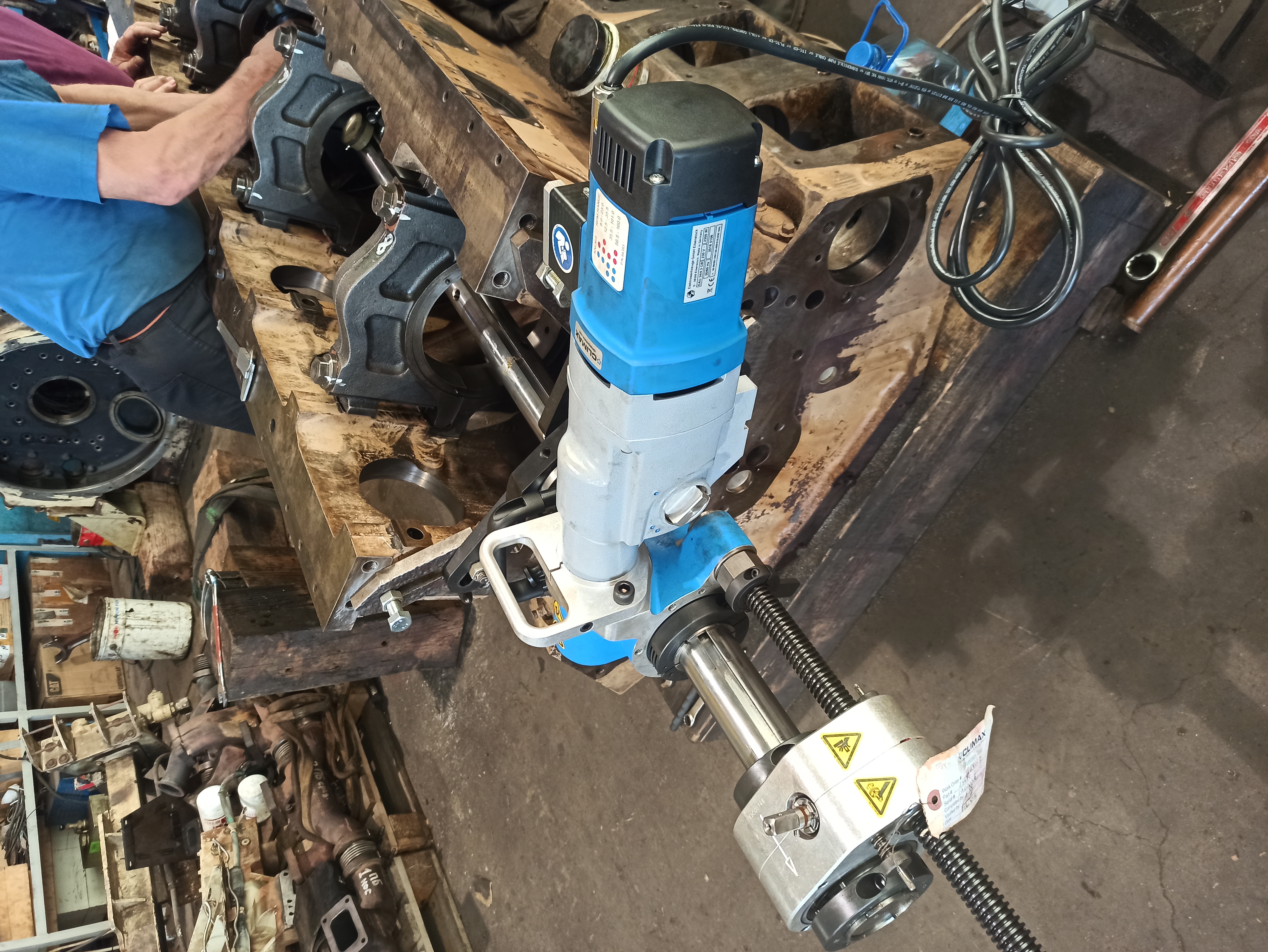
CLIMAX BB5000 Portable Boring Machine
Boring diameter 64–610 mm
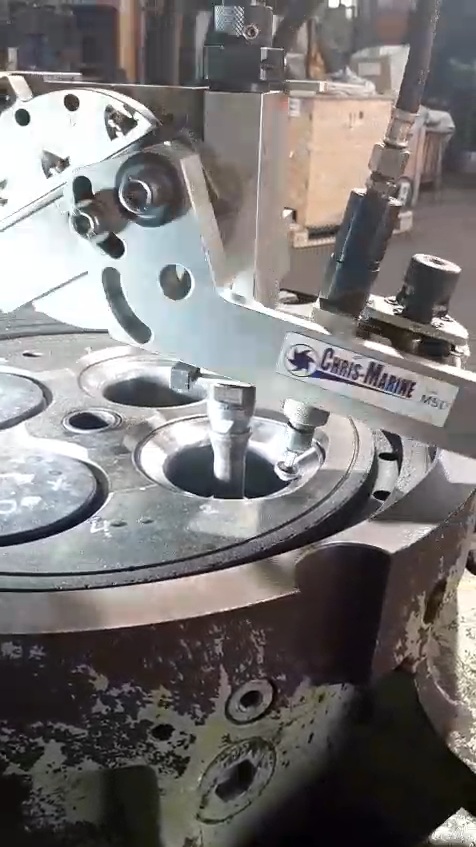
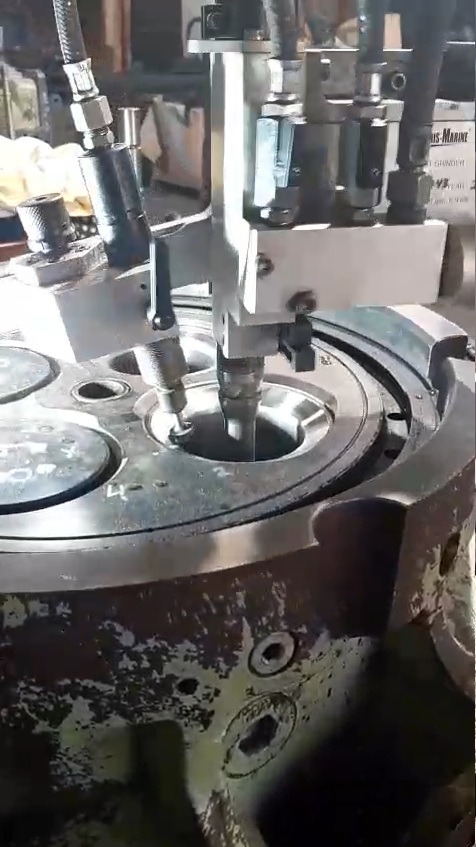
Chris-Marine MSD Valve Seat Grinding Machine
Chris-Marine equipment is installed in ASABA’s mechanical and assembly workshop. The MSD machine grinds and reconditions the sealing surfaces of diesel engine valve seats.
- Valve seat diameter: 40–270 mm.
- Pneumatic drive; valve seat grinding in the cylinder head.
Chris-Marine 75H Valve Spindle Grinding Machine
The Chris-Marine 75H installed in the workshop provides precision grinding of inlet and exhaust valve sealing faces for auxiliary and medium-speed diesel engines.
- Valve disc diameter: less than 180 mm.
- Pneumatic grinding drive; used in conjunction with a lathe.
Chris-Marine HON S Cylinder Liner Honing Machine
The Chris-Marine HON S installed in the workshop hones and deglazes cylinder liners, restores the cross-hatch surface pattern and corrects liner ovality.
- Available honing head ranges: 210–290, 280–420, 320–500 and 490–600 mm.
- Type 250 pneumatic hoist: 250 kg lifting capacity and 4 m stroke.
Chris-Marine HR80 Honing Rig
The Chris-Marine HR80 rig is installed in the workshop for honing cylinder liners removed from the engine. It supports the liner during work with the honing equipment.
- Cylinder liner outside diameter: up to 800 mm.
- The 800 mm limit refers to the liner’s outside diameter; the honing range depends on the machine and the selected honing head.
Equipment Diagnostics
Assessment of the technical condition of mechanisms, assemblies and components before repair or maintenance. Inspection findings help define the scope of work and select a restoration method.
- Visual inspection, measurements and condition checks of components and mating surfaces.
- Agreement on subsequent work based on diagnostic findings and technical documentation.
Equipment Overhaul
Comprehensive repair of mechanical equipment, from disassembly and condition assessment to component restoration, reassembly and operational checks. The programme is defined by the condition of the equipment and the manufacturer’s requirements.
- Cleaning, repair or replacement of agreed components and assemblies.
- Assembly, adjustment and checks according to the agreed programme.
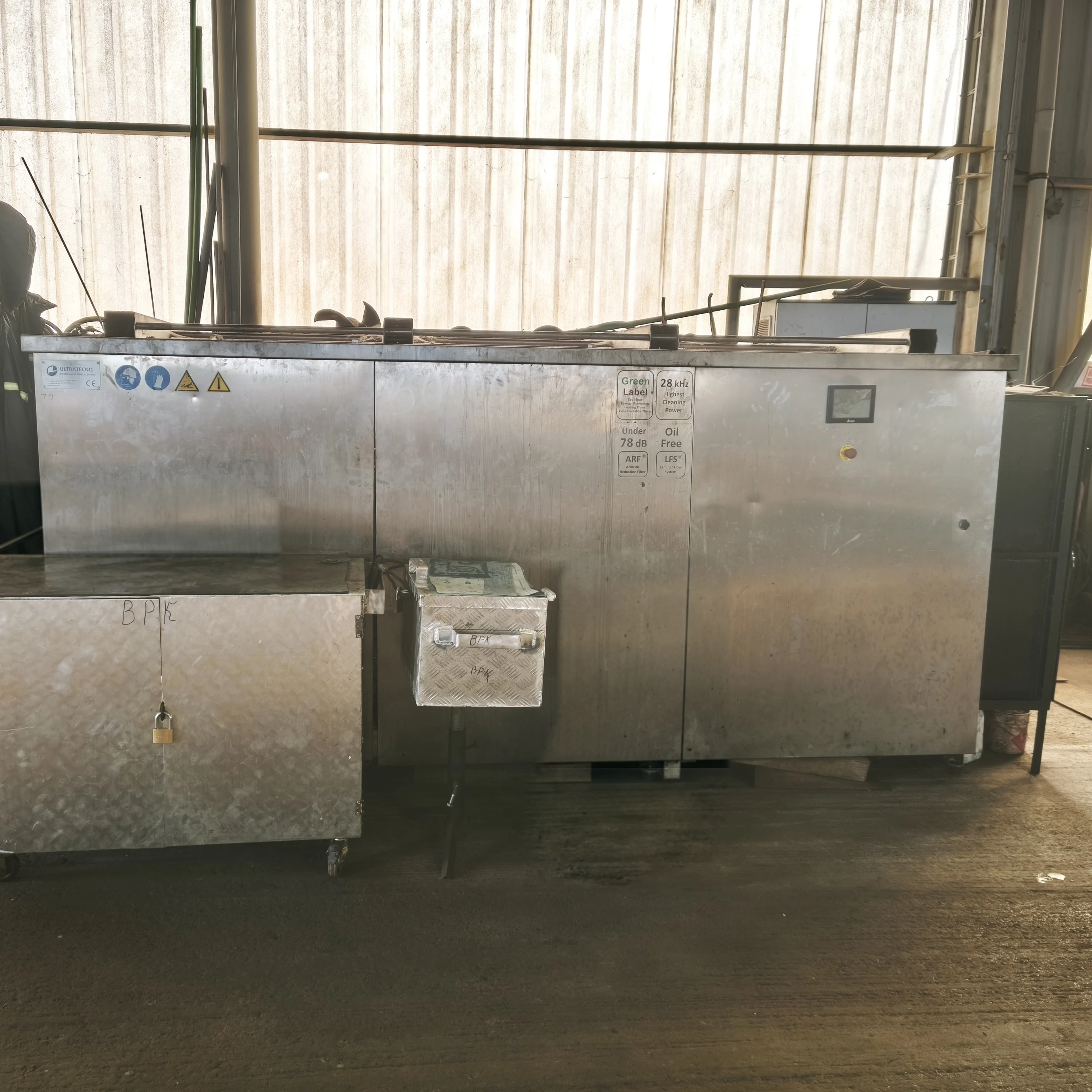
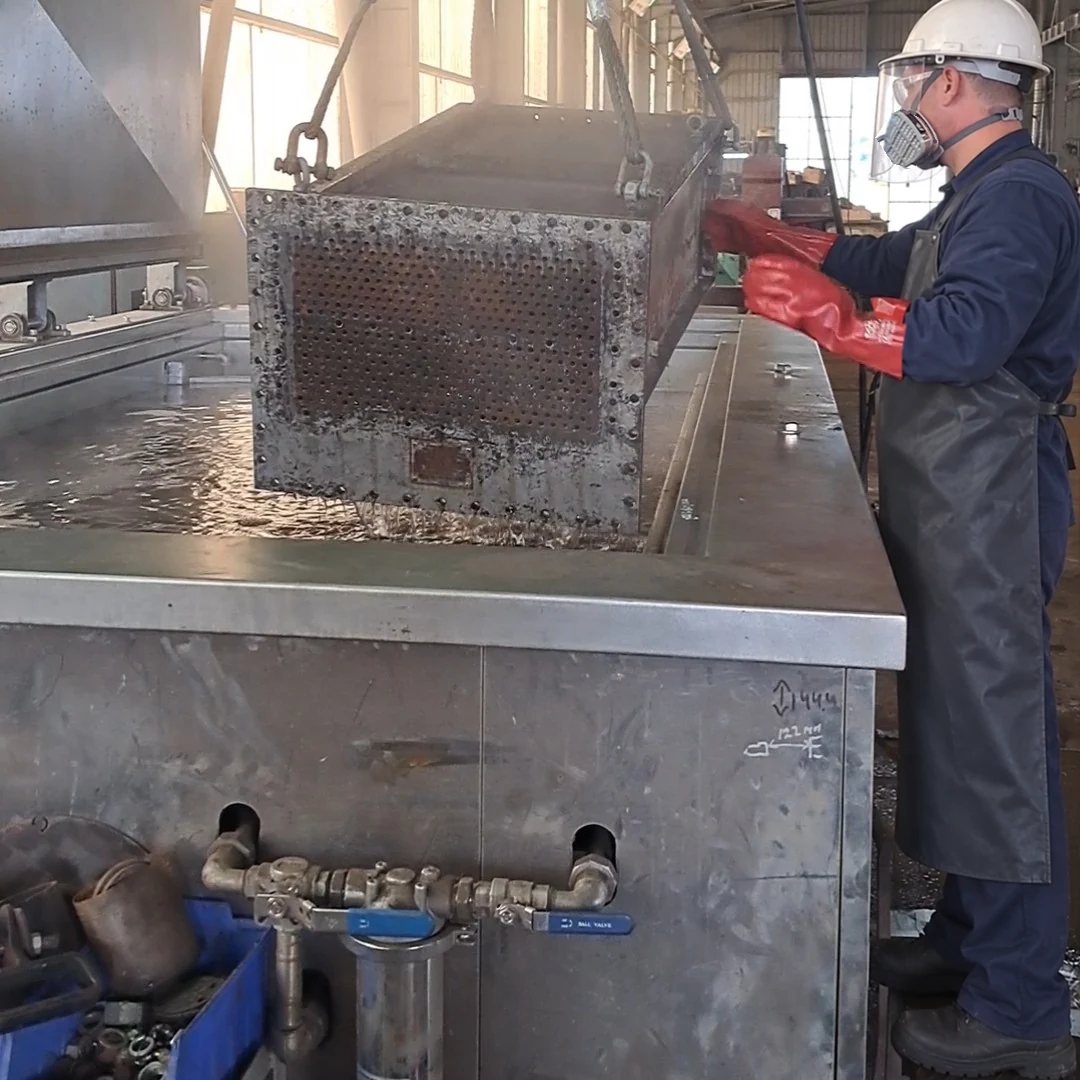
Ultrasonic Cleaning
Ultrasonic Cleaning Machine ACM 5000 cleans components in a liquid medium using ultrasound, including the removal of contaminants from hard-to-reach areas. Treatment settings are selected according to the component material and the type of contamination.
- Preparation of components for inspection, repair or assembly.
- Material and coating compatibility, component dimensions and cleanliness requirements are agreed before treatment.
Thermal Spray Coatings
Application of a coating to a prepared component surface using a stream of heated material particles. This technology is used to restore worn surfaces and improve their resistance to wear and corrosion.
- The solution is selected according to the component material, the type of wear and the operating conditions.
- The coating material, application method, thickness and subsequent processing requirements are agreed for each order.
Production Capabilities
- Machining of components up to 1,000 mm in diameter.
- Machining of shafts up to 600 mm in diameter and 11 m in length.
- Static balancing of components weighing up to 5 t.
- Dynamic balancing of components weighing up to 700 kg and measuring up to 1,260 mm in diameter.
- Repairs to pumps, compressors and heat exchangers.
- Repairs to deck and cargo handling machinery.
Work Based on Condition Assessment
Technical condition, geometry and required tolerances determine the method of component restoration or manufacture. Machining feasibility is agreed based on drawings and actual dimensions.
Spare Part Reconditioning
- Machining, grinding and polishing of components.
- Reconditioning of piston crowns, cylinder heads, exhaust valves and their seats.
- Cylinder liner honing.
- Hydraulic cylinder reconditioning, including restoration of rod geometry.
- One-off, small-batch and series production of components to agreed documentation.
Post-Repair Acceptance Testing
Factory acceptance tests (FAT) and post-repair load tests are provided for. The checks, test load and acceptance criteria are determined by the programme for the specific equipment.
Technical parameters are provided for preliminary assessment. Suitability for a particular vessel, equipment item and project is confirmed by the shipyard when agreeing the work.
Discuss This Service